


















New study suggests widely used plastics can be chemically converted to break down more quickly.
A team at the University of Edinburgh, working in partnership with RPTU University Kaiserslautern-Landau in Germany, have discovered a method to convert widely used plastics into ‘polythionoesters’, which degrade more rapidly.
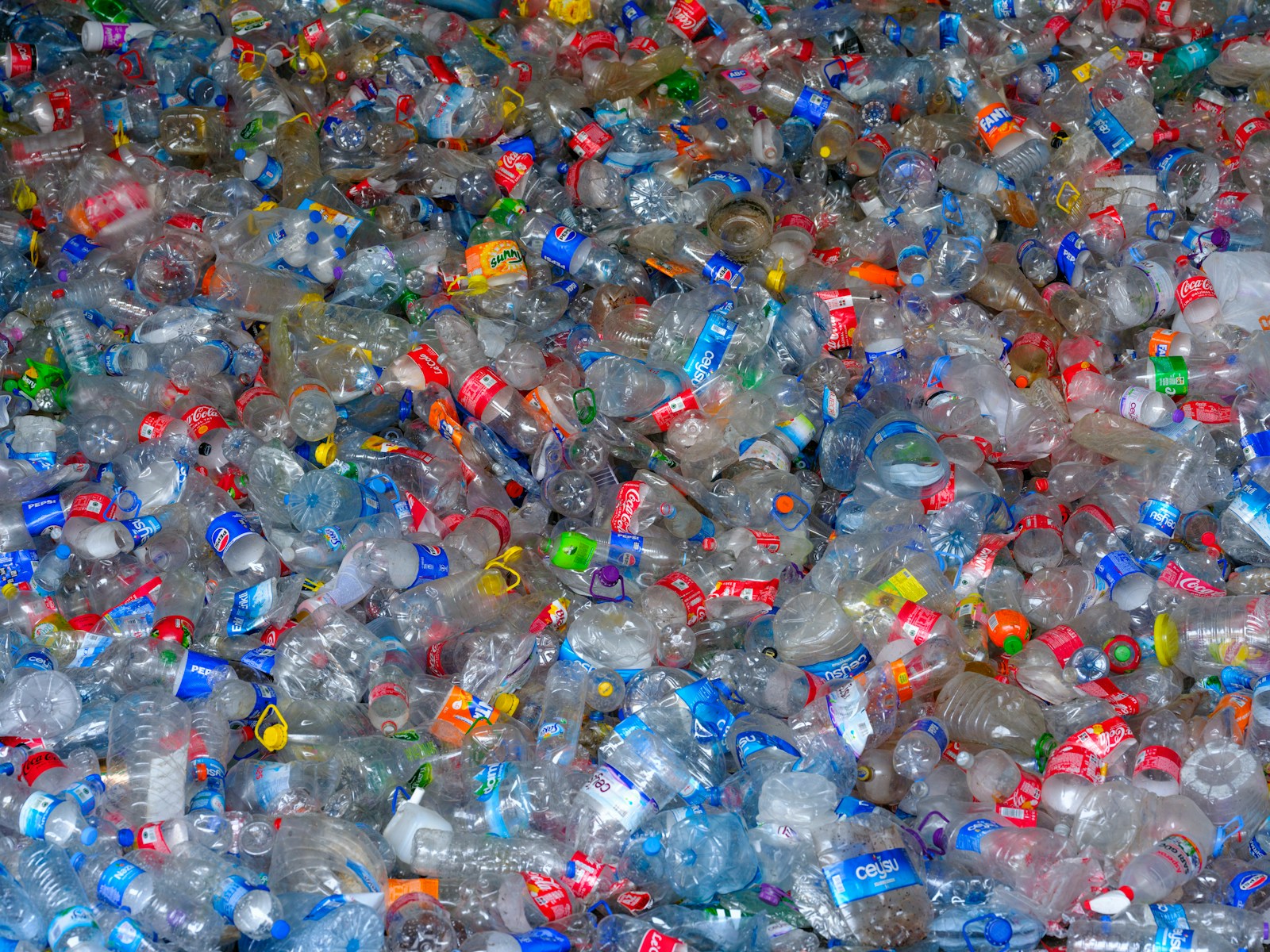
Photo by engin akyurt / Unsplash
This, of course, could be used to upcycle existing plastics – from food packaging to that used in 3D printing and technology – so often sent to landfill. At present, some 99% of plastics in circulation are not biodegradable, while eco-friendly alternatives tend to break down slowly or require high temperatures and harsh or hazardous chemicals.
The new method produces a more readily biodegradable polythionoester by altering the chemical structure of the existing plastic, removing some atoms of oxygen chemically bonded to carbon, and replacing them with sulphur atoms. Molecules comprised of these carbon-sulphur bonds turn out to be much weaker than the carbon-oxygen bonds in the original plastic. This gives the polythionoester different physical properties, not least that it is significantly easier to break down.
The researchers tested the new method on polycaprolactone, a type of biodegradable plastic commonly used in food packaging, 3D printing and biomedical implants, with promising results. The team say the process could be adapted to upcycle other types of plastic, and that it is straightforward and easily scalable. They add that further research is needed to better understand potential environmental impacts of the breakdown products of polythionoesters.
Their findings are reported in the journal Chem Circularity. The research was funded by UK Research and Innovation (UKRI), the Royal Society, the French National Research Agency and the French National Centre for Scientific Research (CNRS).
Dr Jennifer Garden, co-led of the study and part of the University of Edinburgh’s School of Chemistry, says: ‘The thionation of polyesters is a challenging task, as these materials are less reactive towards thionation than many other polymers, and accessing polythionoesters via traditional routes can be difficult.
‘What makes this discovery so exciting is that we’ve successfully developed a strategy that opens the door to a whole new range of sulfur-containing materials. We’re eager to see where this research takes us and are already looking forward to exploring the many possibilities that this breakthrough has to offer, paving the way for future studies in this promising field. Collaborating with this team has been an absolute joy – their enthusiasm, motivation, and expertise have made every step of this journey a pleasure, and I feel fortunate to work alongside such a talented group of scientists.’
In related news:
Leave a Reply