
















Major new study of UK attitudes to AI and the future of work outlines widespread fears of economic impact, loss of jobs and even civil unrest.
New research conducted by the King’s Institute for Artificial Intelligence and the Policy Institute at King’s College London has found widespread concerns about AI and its likely impact on work.
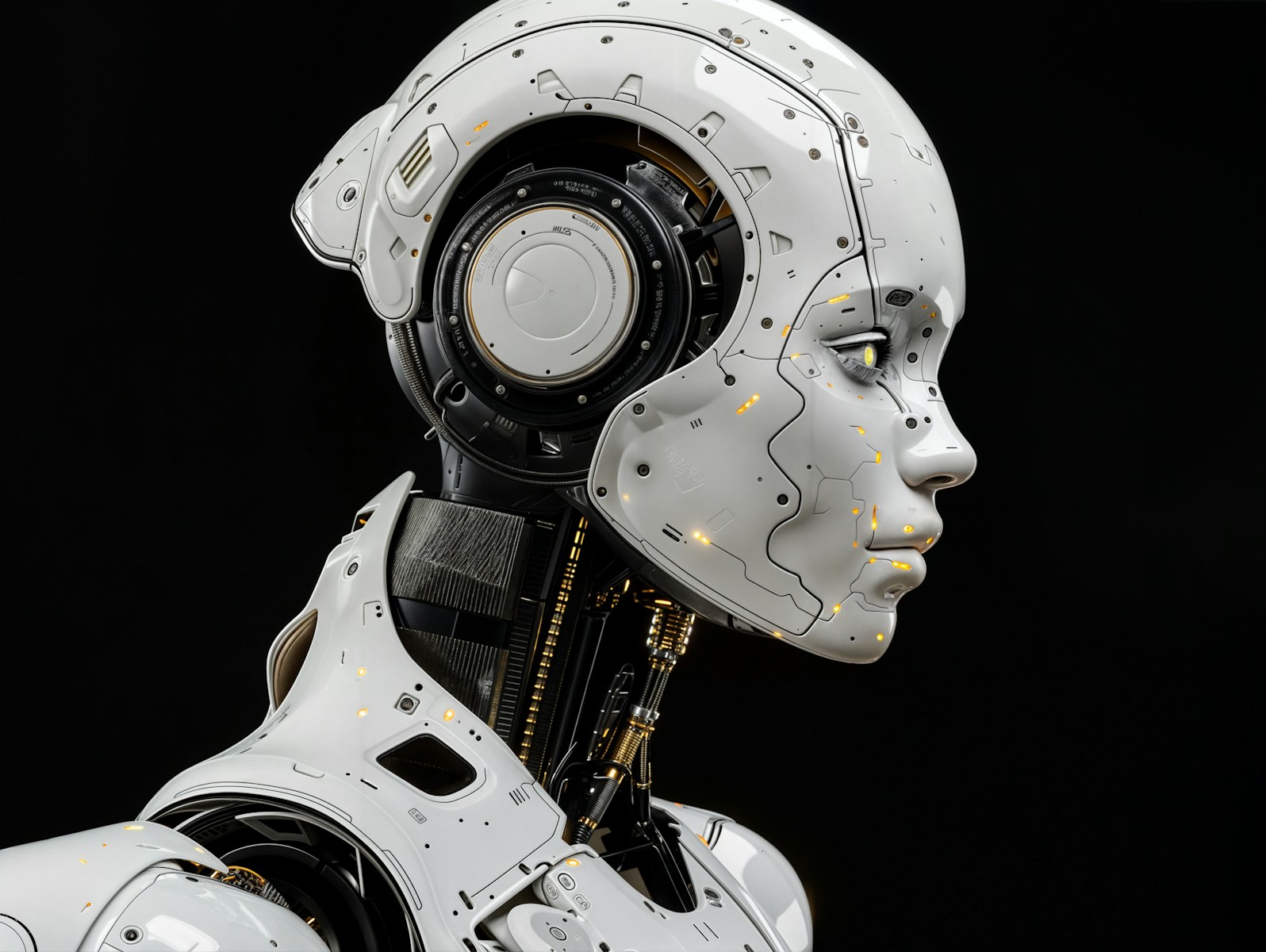
Photo by Gabriele Malaspina / Unsplash
The survey, conducted by carried by Opinium from April 16 to 29, 2026, asked more than 4,500 in four distinct groups a range of questions. Some 69% of respondents said they are worried about the economic impacts of AI, and 57% thought it would lead to widespread unemployment.
That unemployment would be worse than in an ordinary recession said 50% of respondents. Some 22% thought AI would eliminate jobs so quickly it would lead to civil unrest. That rose to 34% among university students.
- Read the full report: AI and the Future of Work
Respondents comprised a nationally representative sample of 2,000 UK adults aged 16+, weighted on age, gender, education, region, ethnicity, work status, 2024 vote, EU referendum vote and political attention. There was also a sample of 1,002 UK adults aged 16-29, weighted on age, gender, region, ethnicity, work status, and education; a sample of 1,000 UK university students, weighted by gender, age, and course level; and 506 UK decision-makers in UK businesses with 11+ employees.
Almost half of all respondents – 48% – said they would rather avoid AI, and 41% admitted to being afraid of it. Just 24% thought AI was positive for humanity.
Yet despite this, 43% thought they would use AI in the future, compared to 26% who said they wouldn’t. There were some striking differences in attitude: men (30%), university students (43%), and male university students (52%) saw AI as positive for humanity.
While university students were generally more positive about AI than the general public, 89% of students who had used AI in their studies admitted they had encountered problems, and 45% said they’d encountered moderate or serious problems. Among the reasons give were factual errors (37%) and made-up sources (31%).
But many respondents thought AI was a problem for other people, rather than themselves. Some 60% thought other people’s ability to think had been negatively affected by using AI, but only 27% thought that true of themselves.
While there are also some positives in the report, the general sense is of wariness – and fear – about the impact of new technology, despite the enthusiasm of the tech industry and the government. The report is being launched alongside the King’s AI Summit: Workforce Futures event, running May 19-20, where speakers will include Baroness Lane-Fox and Dame Chi Onwurah MP, alongside senior figures from academia, industry and policy.
Professor Elena Simperl, Director of The King’s Institute for Artificial Intelligence, King’s College London, says: ‘These findings tell us something important: the British public isn’t asking us to slow down on AI, they’re asking us to do it better. People want these tools, they want more of them, and they’ve used them enough to know where they fall short. Employers see creative thinking as the top benefit AI can offer, ahead of productivity, but the public and the experts both doubt that today’s tools deliver this.
‘That puts a real onus on those of us building and deploying AI to make systems that genuinely support learning, creativity, and critical thinking, and honestly, too few people in the sector are working seriously on this. Moreover, women seem to be more cautious about AI than men. That should make us ask who we are designing for, and who is being left out of the conversation.’
Professor Bobby Duffy, Director of the Policy Institute at King’s College London, adds: ‘The public, workers, young people and university students are watching the rapid development of AI with more fear than excitement, with real concern for what it will do to jobs, particularly at entry levels, and, therefore, the prospects for our young people and the economy in general.
‘This is perhaps no surprise when key figures, such as Anthropic’s CEO, Dario Amodei predicted that AI could eliminate half of all entry-level white-collar jobs within 5 years. Amodei has since painted a more optimistic picture of the labour market adapting and creating new opportunities. However, the public are much less convinced about similar claims: only a quarter agree with the World Economic Forum that AI will create twice as many jobs globally as it will eliminate by 2030.
‘This, therefore, is a vision that will need to be explained, and demonstrated, to the public. It is still early days, and our baseline study shows that many don’t yet have firm views or much direct experience of AI’s impact – but that’s likely to change quickly, and we’ll need to outline clear plans on how we will adapt and support people in the transition.
‘On that, the public’s instinct is move more carefully, with the majority favouring regulation and protection of jobs over fast adoption, alongside clear government and employer-backed plans for retraining. People mostly look to the government, schools and universities to help our young people adapt, but there is clearly much more to do here: for example, while a majority of university students say their university can prepare them well for an AI-shaped job market, only 36% say they currently are being well prepared.’
In related news:
Leave a Reply