

















Newly founded edtech company launches tech solution for student recruitment in £12bn university and college sector.
Two higher-education experts have launched a new AI voice platform to help universities and college answer queries from prospective students. Using voice technology just unveiled by Amazon to aid online shoppers, AskEd can handle queries in more than 70 languages 24/7 and in real time. The result, says the company, is 60% more leads after hours.
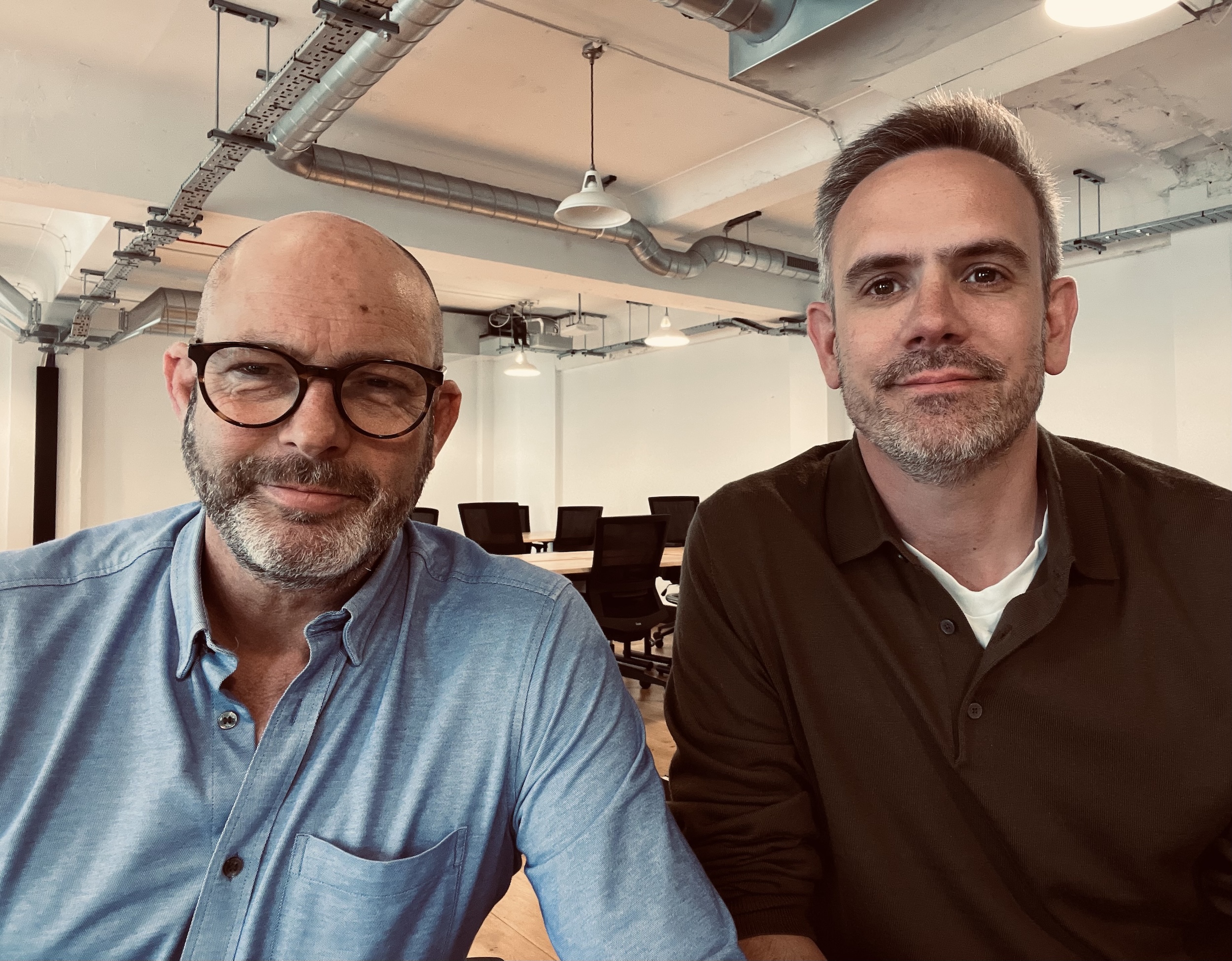
Photo of Stefan Parker and John Crick courtesy of AskEd
The decline in enrolment numbers is not equal in all countries, with declines from Pakistan, India and Bangladesh particularly marked. More than 80% of universities who responded to the survey reported declines from Pakistan, with an average reduction of 75%.
This is of grave concern because international students generate some £12.1bn per year in fee income for UK universities, according to the Higher Education Statistics Agency, accounting for 23% of the income of the entire sector. Among the reasons for the significant decline in numbers are rising competition from other countries, changes to government policy on visas for international students – meaning applications are rejected but also there is a worry that they might be – and problems in answering initial enquiries from prospective students.
On that last point, research undertaken by ICEF Monitor found that more than half of prospective international students disengage when communication feels slow or unclear.
This is the problem that the new AskED platform seeks to address. The company was founded in November by Stefan Parker, who has spent 15 years in HE student recruitment, and John Crick who was for more than two decades in international student recruitment.
‘Universities spend a lot of money getting students to the point of enquiry,’ says Crick. ‘Then the experience just drops off. Most of the time, all a prospective student gets when they reach out, is a contact form and a vague promise that someone will be in touch.’
‘I’d seen the same issue for years,’ adds Parker. ‘Students ask a question and don’t get an answer when they need it. That’s where people are lost. It doesn’t even show up in the data in any obvious way, because the drop-off happens before an application is ever started.’
The company has raised £100k at a £2m post-money valuation from angel investors, been accepted into two EdTech accelerator programmes (Tech Growth Lab, Brighton and Dohe’s Go-Together), and received a start-up grant from ElevenLabs.
In related news:
Opinion: Designing a national unified network for critical services
Leave a Reply