
















Regulator’s annual survey of attitudes to media use reveals wariness and more passive use of social media, concerns about screentime and enthusiasm for AI.
Ofcom’s annual Adults’ Media Use and Attitudes Tracker survey aims to follow national trends in media habits: how we use, understand and feel about the online media and services we access in our daily lives. For this year’s report, some 7,533 adults aged 16+ from across the UK were surveyed between September 29 and November 28 last year, in both face-to-face interviews and online panels.
So what did the survey find?
We’re more wary of social media
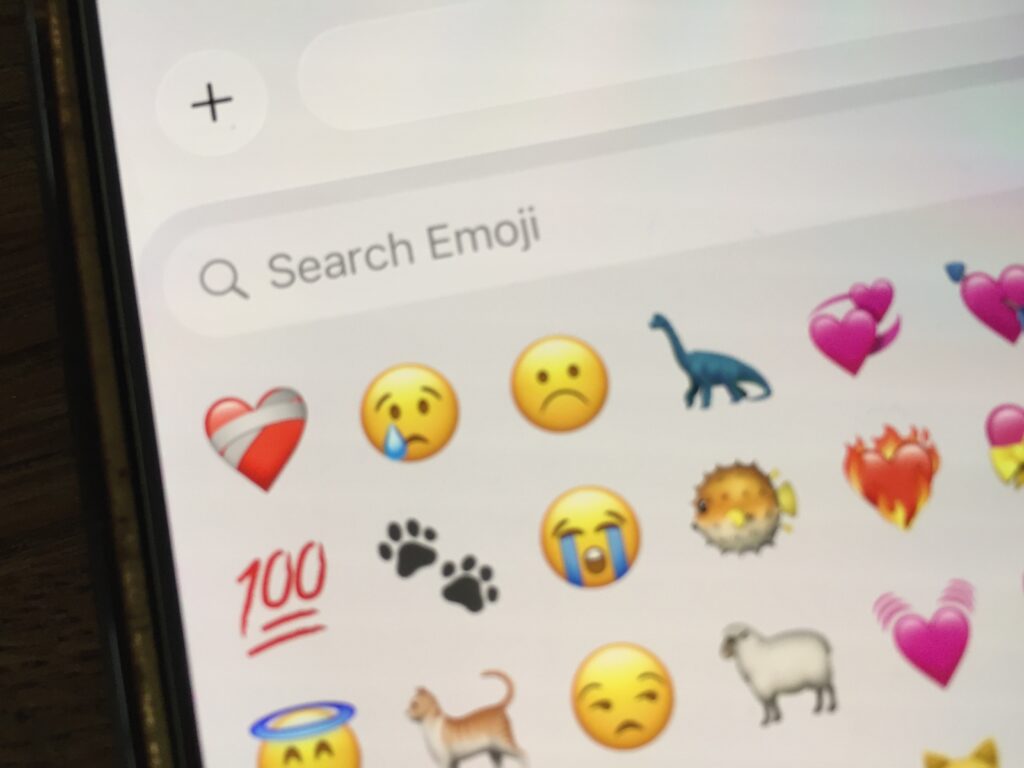
The results show that use of social media remains widespread: 89% of respondents use at least one social media platform; the figure is even higher for those aged 16-34, where it is 97%. Yet respondents also revealed that their use of social media is becoming more passive.
Some 49% of those using social media actively post, share or comment. That’s markedly down from 61% in the 2024 survey. Over the same two-year period, those exploring new websites fell from 70% to 56%.
That finding is backed up by the findings of Ofcom’s longitudinal study, Media Lives, which follows the attitudes of the same 20 or so participants over time to see how their relationships with media and technology change over time. Some participants have stopped posting altogether, while others now prefer posts with limited lifespans so as not to leave a digital footprint.
The Media Use survey also found that just 59% of adults who are often online feel the benefits outweigh the risks, compared to 72% last year. Just 36% of respondents thought social media platforms are good for their mental health, down from 42% last year.
Some 67% of respondents said they sometimes spend too long on their devices; 40% said this happens most days. Participants in the Media Lives study said they set time limits on their devices, deleted apps and left their smartphones at home – all in an active effort to spend less time on their screens.
We’re embracing AI
At the same time, the new research found a growing interest in AI technologies. More than half of those surveyed – 54% – now use tools such as ChatGPT, Copilot or Gemini. They’re especially popular among younger adults: the figures rise to 74% for those aged 25-34 and 79% for 16-24 year-olds.
Some 12% of those using AI said they did so for conversational purposes, rising to 15%for those aged 25–34. Again, this finding is backed up by the Media Lives survey, where some participants seem to interact with AI as if it were a person, often unconsciously. For example, they reported using AI to seek advice on a real-life break-up, or to keep them company when working from home.
The research found that new AI tools are being used for a range of creative tasks such as planning the layout of rooms, writing a wedding speech writing and creating artwork.
But there were also clear concerns about the veracity of AI. More than half of respondents to the Media Use survey – 57% – said they trust an AI-generated story less than one written by a person.
We’re more wary of mainstream news
The survey also asked respondents about their attitudes to mainstream media, which it defined as “news organisations such as the BBC, ITV, Sky News [and] the press such as the Sun, the Times, the Guardian, the Daily Mail etc”.
A large proportion – 85% – said they get their news from mainstream media, but just 19% said they always trusted it to be accurate while 21% always question its accuracy. Again, that ambivalence was also seen in the Media Lives study, where some respondents deeply mistrusted mainstream media and preferred to access news from content creators and citizen journalists on YouTube.
We’re confident about our skills online – but how confident should we be?
A sizeable 89% of respondents felt confident online, though the figures were lower for specific media-related skills such as recognising advertising (81%) or judging accuracy (72%).
But that’s how people feel about their abilities online. The survey also sought to test people’s actual skills in spotting a fake social media profile. Younger social media users performed best, with 88% spotting the fake; this was followed by 85% of those aged 35-44 and 83% of those aged 25-34.
Another test presented a scam email. Some 82% of respondents indicated a safe response – a high figure, but down from 88% in 2022.
You can read Ofcom’s Adults’ Media Use and Attitudes Report (2026) and Adults’ Media Lives Wave 21: 2026).
In related news:
Leave a Reply