
















Researchers successfully use waste bread to produce carbon-negative version of chemical process widely used in food processing and industry.
A team of scientists at the University of Edinburgh have shown that an industrial process called hydrogenation, usually dependent on hydrogen gas made from fossil fuels, can be achieved using all bread.
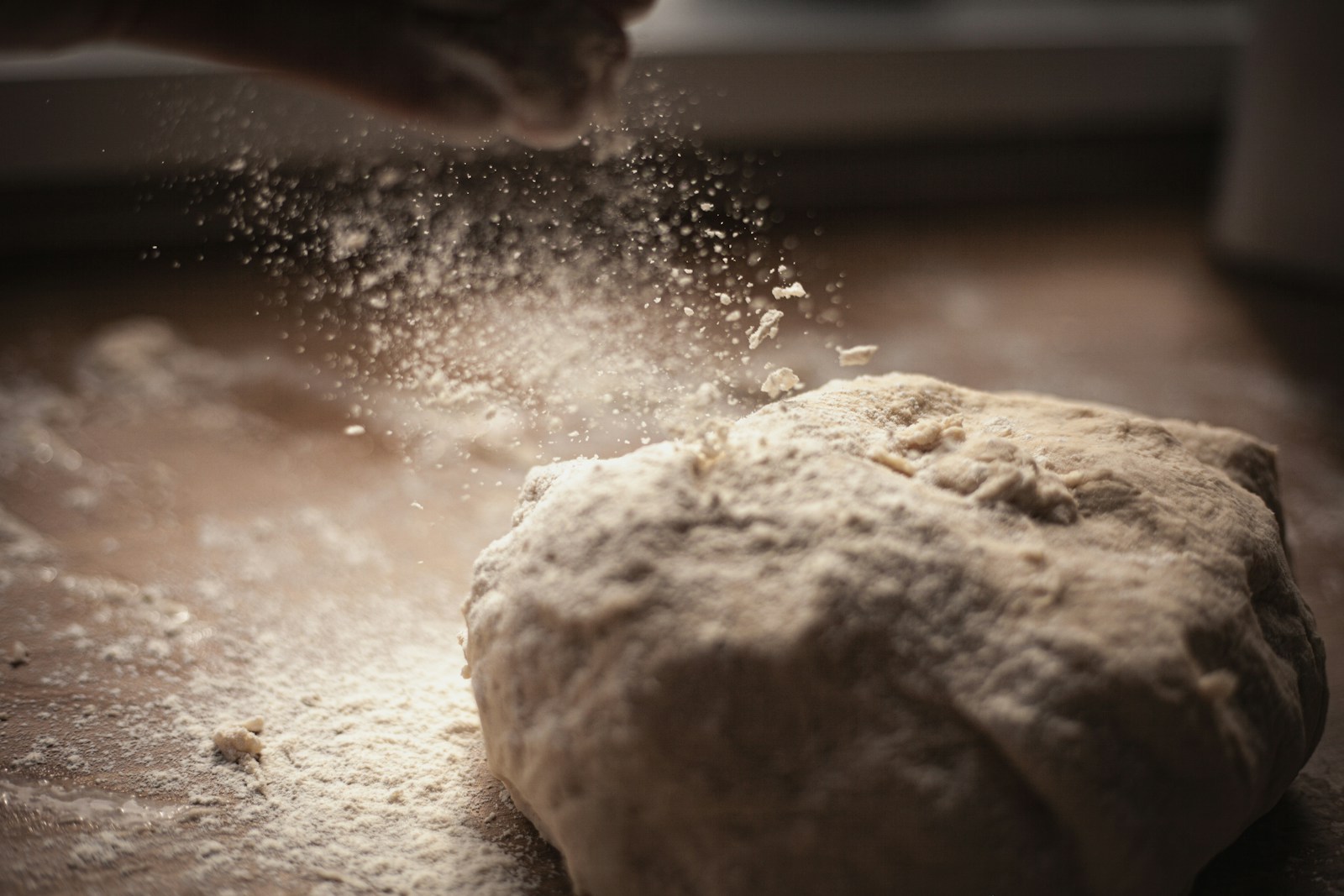
Photo by Duncan Kidd / Unsplash
Hydrogenation has a wide range of applications. In food processing, for example, it is used to convert liquid vegetable oils into more stable solid fats. In wider industry, it is a key stage in synthesising pharmaceuticals, fine chemicals, fuels and plastic polymers. Typically, that involves using metal catalysts such as nickel, palladium or platinum, so the process requires fossil fuels and relatively rare materials. It can also be energy intensive, requiring temperatures of hundreds of degrees.
That’s why the findings of the Edinburgh team are so significant. Scientists from the university’s Wallace Lab fed a common laboratory strain of E. coli with sugars extracted from waste bread and grown without oxygen. The bacteria naturally produced hydrogen gas under these conditions, at room temperature.
A small sample of palladium catalyst and a target chemical were then added to the same reaction pot. Still at room temperature, the hydrogen generated by the microbes was able to drive hydrogenation.
What’s more, a detailed analysis shows that using waste bread can make the whole process carbon-negative – removing more greenhouse gas that it produces.
The team now plans to apply this approach to a range of everyday products and also investigate different microbial hosts in the hope of developing strains that remove the need for a metallic catalyst in the process at all.
The full study is published in the journal Nature Chemistry. The project was funded by the UK Research and Innovation (UKRI), European Research Council (ERC), Industrial Biotechnology Innovation Centre (IBioIC) and High-Value Biorenewables Network.
Professor Stephen Wallace, Personal Chair of Chemical Biotechnology, School of Biological Sciences, University of Edinburgh, says: ‘Hydrogenation underpins huge parts of modern manufacturing, but it still relies almost entirely on hydrogen made from fossil fuels. What we’ve shown is that living cells can supply that hydrogen directly, using waste as a feedstock, and do so in a way that can actually be carbon-negative. This approach isn’t limited to food chemistry either. Hydrogenation is used across pharmaceuticals, fine chemicals and materials. Being able to run these reactions using microbial hydrogen opens up new possibilities for sustainable manufacturing at scale.’
Dr Susan Bodie, Director of Innovation Development and Licensing at Edinburgh Innovations, adds: ‘Professor Wallace is one of several researchers at the University of Edinburgh using innovative and sustainable engineering biology techniques to valorise waste. These techniques could help bring about a green revolution in industrial manufacture in the UK and beyond, and we would urge companies interested in working with us to get in touch.’
In related news:
Welsh biotech company scaling robotic system for diagnostic tests
600 m2 of solar panels installed at council garden centre in Leeds
UK environmental regulators hamstrung by outdated IT systems
Leave a Reply